Did the looming 2026 deadline for adapting your invoicing software feel overwhelming? You can officially take a breath. The Spanish Government has just published a significant reprieve for freelancers (autónomos) and businesses. However, this extension is not a permission slip to relax—it is a strategic opportunity to transition your business without the chaos of a last-minute rush. Here are the definitive new dates and your updated compliance roadmap.
The Update: New Official Deadlines (Real Decreto-ley 15/2025)
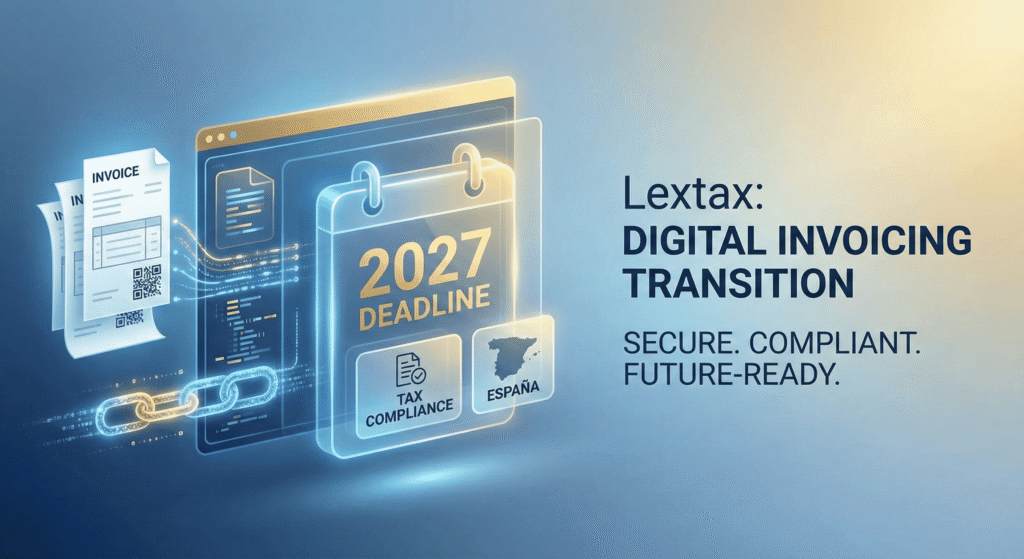
On December 4, new legislation entered into force, modifying the implementation calendar for Spain’s anti-fraud laws. If you are a freelancer or own a SME in Spain, update your compliance calendar immediately:
- January 1, 2027: Compliance deadline for Corporate Income Tax payers (mostly Sociedades Limitadas and larger entities).
- July 1, 2027: Compliance deadline for Autónomos (freelancers) and all other taxpayers.
What does this mean for you?
Essentially, you have gained one extra year (the previous deadline for freelancers was July 2026). However, software developers have a tighter deadline (9 months) to bring their adapted tools to market. This means compliant solutions will be available long before you are legally required to use them—giving you ample time to test and adapt.
What is Veri*factu? (A Quick Recap)
If you missed our previous coverage on Spain’s Digital Tax Revolution, here is the core concept. Veri*factu is the new technical standard for invoicing designed to eliminate «dual-use software» and tax suppression.
Your invoicing software must soon:
- Guarantee Integrity: Once an invoice is issued, it cannot be altered without leaving a digital footprint.
- Include a QR Code: Visible on every invoice (PDF and paper).
- Report to Hacienda (Optional but Recommended): In «Veri*factu mode,» data is sent to the Tax Agency automatically, streamlining your admin and potentially reducing audit risks.
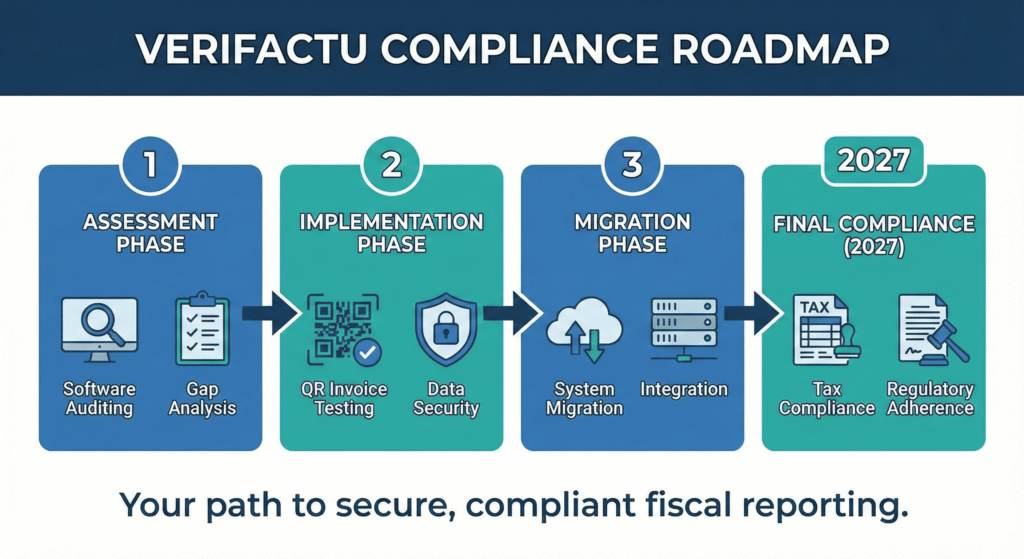
Your Updated Checklist: The Road to July 2027
While 2027 seems distant, technological transitions require planning. Use this checklist to manage the change without disrupting your business.
Phase 1: Assessment (Now – 2025)
- Audit Your Software: Contact your current invoicing provider. Ask explicitly if they will support the Veri*factu standard. If you are still using Excel or Word templates, you must plan to migrate to professional software.
- Digitize Your Workflow: If you still handle paper receipts, start digitizing your client and product databases now.
- Consult Your Advisor: Confirm if your specific activity (e.g., special VAT regimes) has unique requirements. (Not sure about your current tax status? Review our guide on Quarterly Tax Deadlines for Freelancers).
Phase 2: Implementation (Summer 2026 – December 2026)
- Choose Your Path: Will you opt for real-time submission («Veri*factu System») or local secure storage? At Lextax, we generally recommend the real-time option for its administrative simplicity and transparency.
- Test Run: Once your provider releases the update, do not wait until the deadline. Start issuing test invoices to ensure the QR codes are legible and data fields are correct.
- Review Corporate Structure: If your business is growing, this transition period is an excellent time to consider incorporating a Spanish SL to optimize your liability and tax position before the new rules hit.
Phase 3: Full Migration (December 2026 – January 2027)
⚠️ This is the critical window. We strongly advise all freelancers and businesses to deploy the new Veri*factu system by December 2026, well ahead of the legal deadline. Here is why this matters:
- Avoid January Chaos: The first months of 2027 will see the Tax Agency processing massive volumes of system activations. By transitioning in December, you sidestep potential delays, technical glitches, and overwhelmed support teams.
- Smooth Your Year-End Close: Running your new system through the final weeks of 2026 allows you to troubleshoot any issues before the January 1 deadline for corporate taxpayers (and well before July for the rest).
- Demonstrate Compliance Proactively: Early adoption signals to auditors and the Tax Agency that you operate with integrity. This can reduce audit depth and friction in future years.
What to do in December 2026:
- Final Testing: Run full invoicing scenarios—create, edit, void, and rectify invoices—to ensure the system operates flawlessly.
- Data Integrity Check: Verify that all historical invoice data migrates correctly and that QR codes generate properly.
- Team Training: Ensure your staff understands the new workflow. Invest 2–3 hours in staff training to prevent errors.
Phase 4: Compliance (January 1, 2027 onwards)
- Go Live: From January 1, 2027, your system must be 100% operational, ensuring every invoice you issue is fully traceable.
- Monitor Submissions: If you chose real-time reporting, verify that your submissions to Hacienda are being processed successfully.
Why Early Adoption Matters: The Case for December 2026
The legal deadline is July 2027, but waiting until then is a risk we do not recommend. Here is what history teaches us about mandatory tech transitions in Spain:
Technical Bottlenecks:
When large volumes of businesses migrate simultaneously, software providers often experience server crashes and delayed support responses. By adopting in December 2026, you are migrating during the quietest period, ensuring faster resolution of any issues.
Administrative Advantages:
Early adopters often receive preferential treatment. This may include faster tax refunds, simplified audit procedures, or lower penalty thresholds for technical errors.
Psychological Advantage:
Starting 2027 with a compliant, proven system removes compliance anxiety. You can focus on growing your business instead of scrambling to meet legal requirements.
Frequently Asked Questions (FAQ)
Does this apply to invoices I send to foreign clients?
Yes. The invoicing system itself must meet technical requirements regardless of where your client is located. Whether you are billing a client in Berlin or New York, your software must generate the Veri*factu record. (For more on international billing, see our Digital Nomad Tax Guide).
Do I need to change my accountant?
New tax requirements are here, and many accounting firms are falling behind. Without proper digital adaptation, you face errors, fines, and unnecessary stress.
Lextax Consulting puts your security first. We don’t just meet compliance standards—we lead the way. Our team of tax attorneys and fiscal specialists has one clear goal: keep your business running smoothly while we guarantee your complete tax protection.
🔐 Complete peace of mind
📊 Cutting-edge technology
👨⚖️ Expert professionals protecting your interests
Stop worrying. Trust Lextax—the best choice for your fiscal security.
What if I continue using Word or Excel?
From July 2027, using non-certified software («Sistema Informático de Facturación») will expose you to significant fixed penalties. The risk far outweighs the cost of a proper software subscription.
What if my software provider hasn’t confirmed compatibility?
Contact them immediately. If they cannot commit to Veri*factu compliance by mid-2026, you need to switch providers now. Waiting until early 2027 leaves no margin for error.
Can I migrate gradually, invoice by invoice?
Technically yes, but we advise a clean migration. Running parallel systems introduces complexity and increases the risk of human error. A planned, managed migration in December 2026 is cleaner and safer.
Your Action Plan: This Month
December 2025:
- Contact your software provider. Request a timeline for Veri*factu deployment.
- Review our Guide to Forming a Spanish SL Company if your business structure needs optimization.
- Audit your current invoicing workflow. Identify bottlenecks or outdated processes.
January – June 2026:
- Participate in vendor training sessions for your new system.
- Test your system in a sandbox environment.
July – December 2026:
- Plan your migration window.
- Execute your full system rollout by early December.
Need Help Navigating the Transition?
At Lextax, we do more than just file taxes; we translate legal complexity into simple, actionable processes for your business. Our systems are already being prepared for Veri*factu, and we are actively advising all our clients to implement by December 2026 to maximize stability and minimize administrative friction.
We offer comprehensive Tax Advisory Services to ensure your business complies with every regulatory requirement. Whether you need help selecting the right invoicing software, migrating your data, or understanding your specific obligations, our team is here.
[Schedule a diagnostic call today] and ensure your business is future-proof. Let us help you avoid the January 2027 chaos.
Important Note: This article is for informational purposes only. The information contained herein is based on current regulations as of the date of publication (Real Decreto-ley 15/2025, entered into force December 4, 2025) and may be subject to change. This content does not constitute binding legal advice nor does it substitute a personalized consultation with a professional. For a secure diagnosis of your situation, please contact the Lextax team.